Eating Well After 75
After the age of 75, appetite often decreases while the body's need for key nutrients remains the same — or even increases. Understanding these changes helps you make the most of every meal.
Smaller, nutrient-dense meals throughout the day are often more effective than three large meals. Focus on quality over quantity: choose foods that deliver protein, vitamins, and minerals in every serving.
Cooking for one can feel unrewarding, but it does not have to be. A little planning goes a long way — and our recipe collection shows that simple, satisfying meals are always within reach.
Key Nutrients
Certain nutrients become especially important as we age. Making sure these are present in your daily diet can make a real difference to how you feel.
Nutrients to Prioritise After 75
- Protein: Fish, eggs, legumes, dairy, and lean meat preserve muscle mass and strength.
- Calcium & Vitamin D: Dairy products, fortified foods, and safe sun exposure protect bones and reduce fracture risk.
- Fibre: Wholegrains, vegetables, and fruit support digestive health and steady energy levels.
- Vitamin B12: Found in meat, fish, dairy, and eggs — essential for nerve function and energy. Absorption decreases with age.
- Omega-3 Fats: Oily fish such as salmon, sardines, and mackerel support heart health and brain function.
- Iron: Lean red meat, legumes, and leafy greens reduce the risk of anaemia and fatigue.
- Potassium & Magnesium: Bananas, potatoes, nuts, and seeds support heart rhythm and muscle function.
If you are concerned about whether your diet covers these nutrients, ask your doctor for a blood test or a referral to a registered dietitian. Australians aged 75 and over are entitled to a comprehensive health assessment from their GP — this can include a review of diet and nutrition.
Supplements & Vitamins
Diet is always the best source of nutrients, but some older adults benefit from targeted supplementation — particularly for Vitamin D, B12, or calcium.
Visit our Supplements Guide →Staying Hydrated
Staying well hydrated is essential for kidney function, digestion, and mental clarity. Older adults are at greater risk of dehydration because the sense of thirst becomes less reliable with age.
Aim for six to eight glasses of fluid each day. This does not need to be plain water — herbal teas, soups, diluted fruit juice, and milk-based drinks all count towards your daily total.
Practical Hydration Tips
- Keep a glass of water within easy reach throughout the day.
- Start each morning with a glass of water before breakfast.
- Include a bowl of soup with lunch or dinner — it counts as fluid.
- Herbal teas are a warming, caffeine-free option in cooler months.
- In warm weather, increase your fluid intake even if you do not feel thirsty.
- Limit drinks with high caffeine or alcohol content, as these increase fluid loss.
Signs of mild dehydration include dry mouth, darker urine, fatigue, and difficulty concentrating. If you notice these regularly, speak with your doctor.
Meal Planning
Planning meals for the week ahead makes shopping easier, reduces food waste, and ensures you always have nutritious options available — even on days when energy or motivation is low.
A simple weekly plan does not need to be rigid. Even deciding on four or five meals in advance allows you to shop efficiently and keep the right ingredients on hand.
Plan Before You Shop
Write a brief meal plan for the week, then build your shopping list from it. This prevents impulse buys and reduces the chance of missing a key ingredient.
Use Your Freezer
Soups, stews, and cooked legumes freeze well. Prepare slightly larger portions and freeze individual servings for easy, low-effort meals later in the week.
Shop More Frequently
Buying smaller amounts of fresh food two or three times a week keeps ingredients at their best and avoids waste — particularly important when cooking for one.
Stock a Useful Pantry
Tinned legumes, tinned fish, wholegrains, olive oil, and low-salt stock form the foundation of dozens of quick, nutritious meals.
Soups & Stews
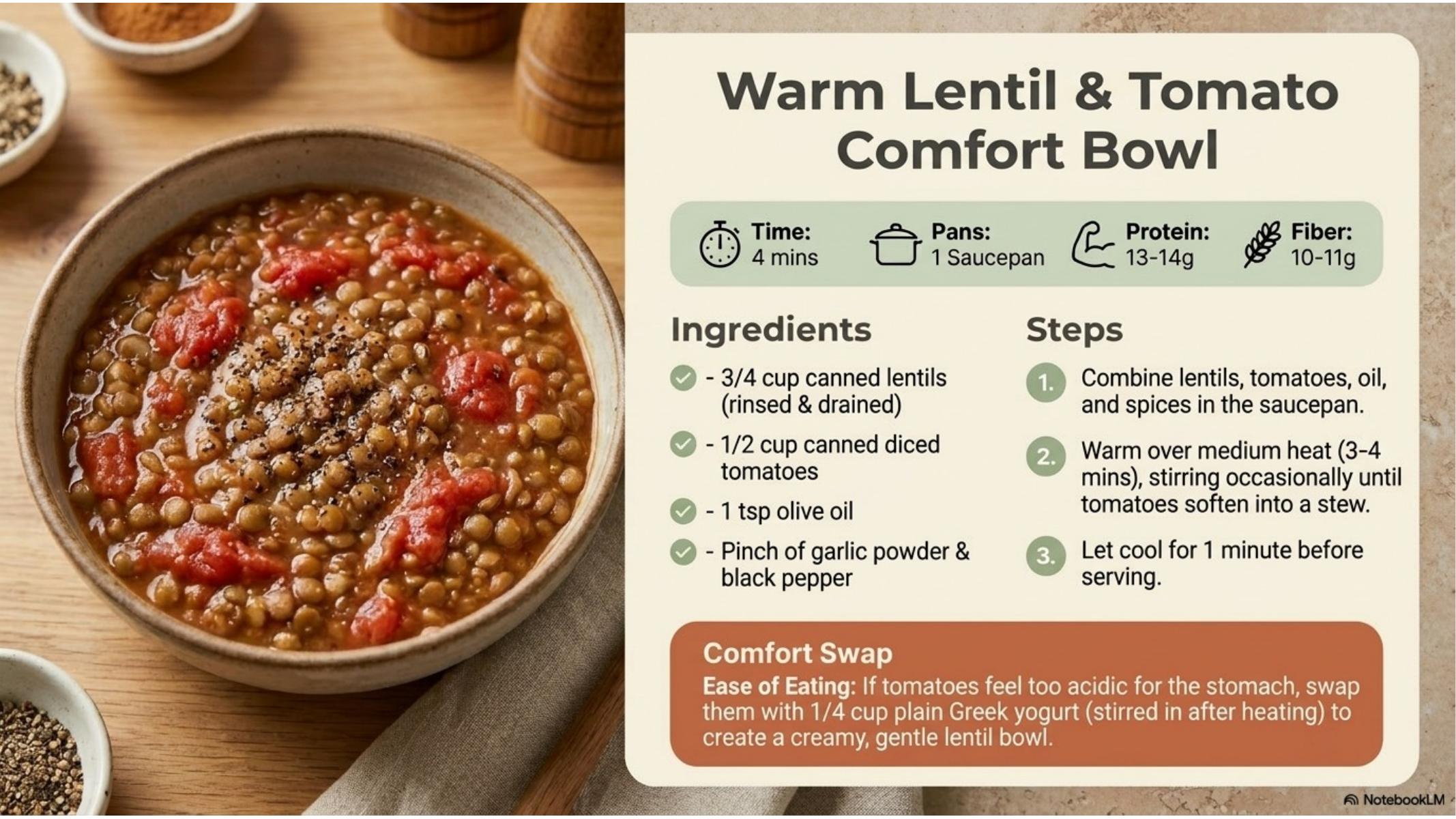
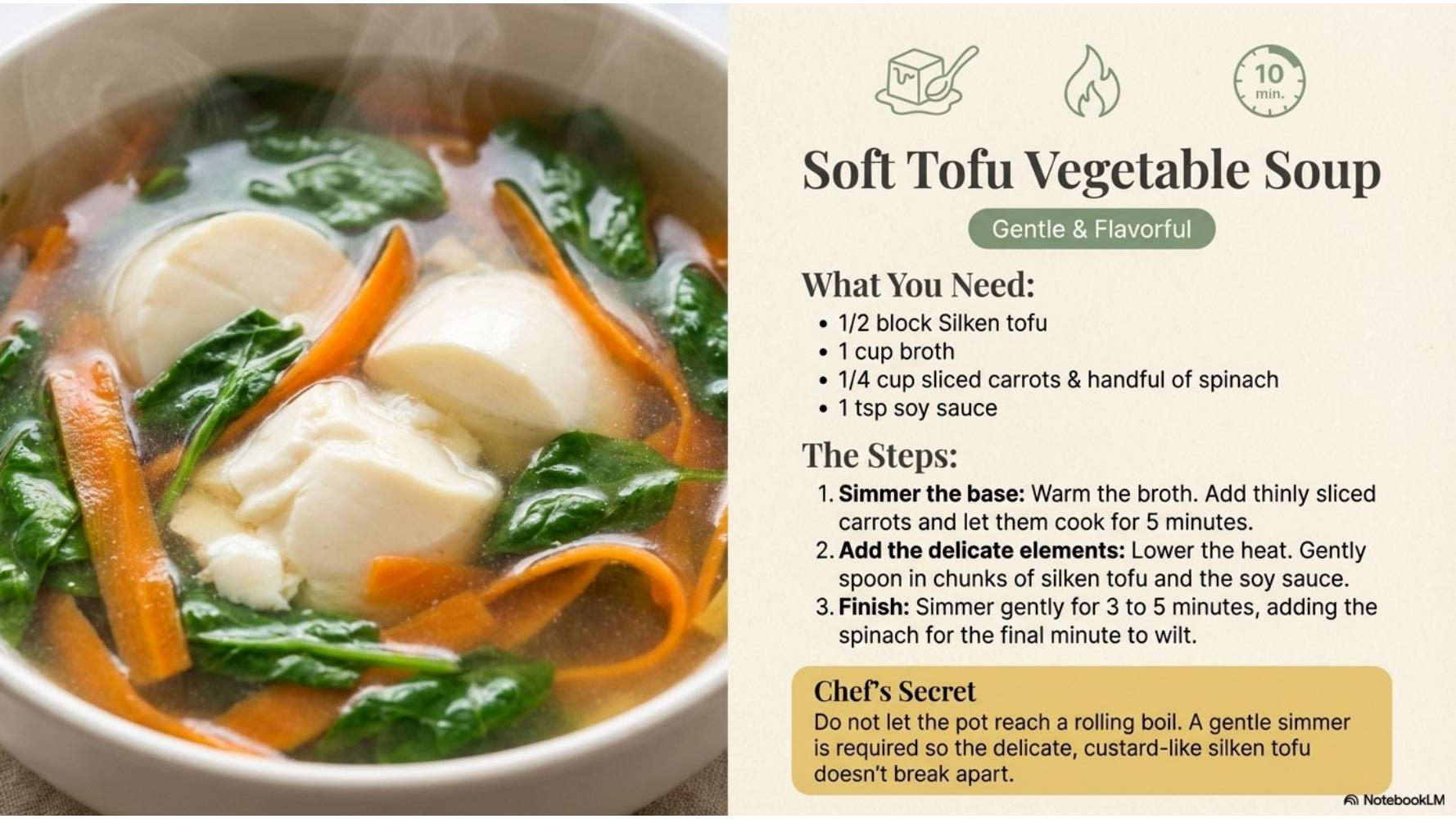
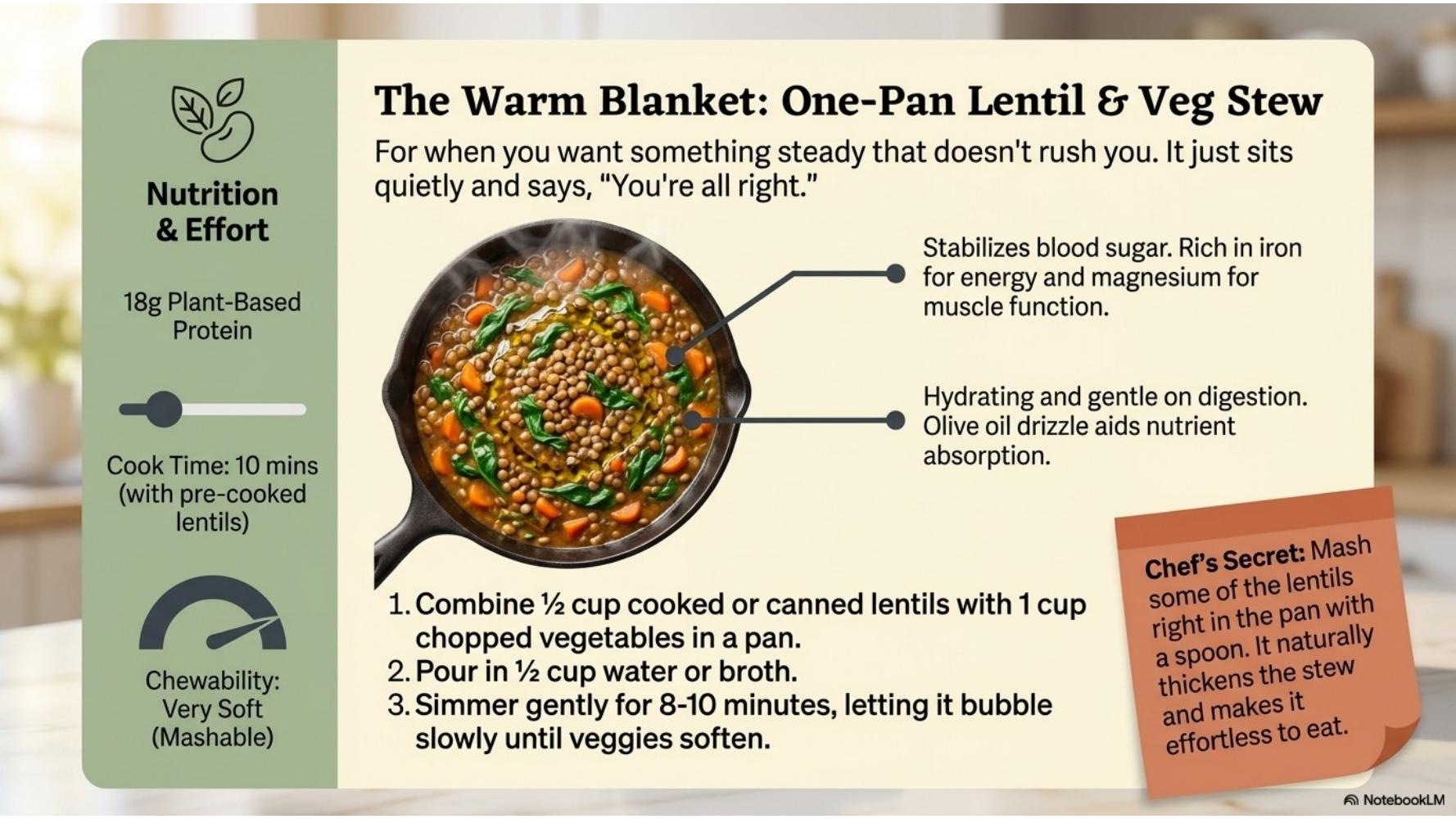
Soups and stews are ideal for older adults — warming, easy to digest, packed with nutrients, and simple to prepare. Each recipe serves one person.
Main Meals
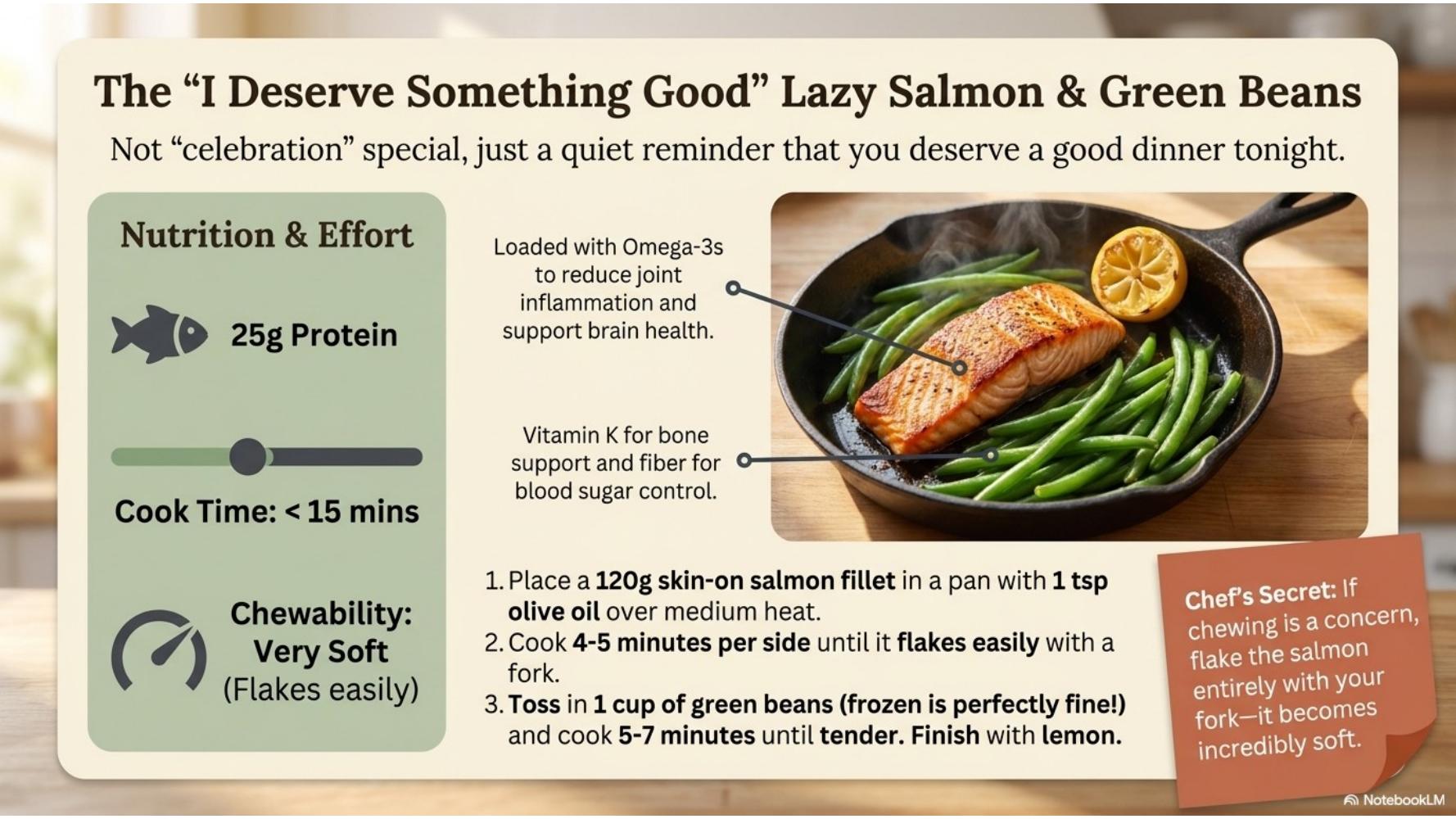
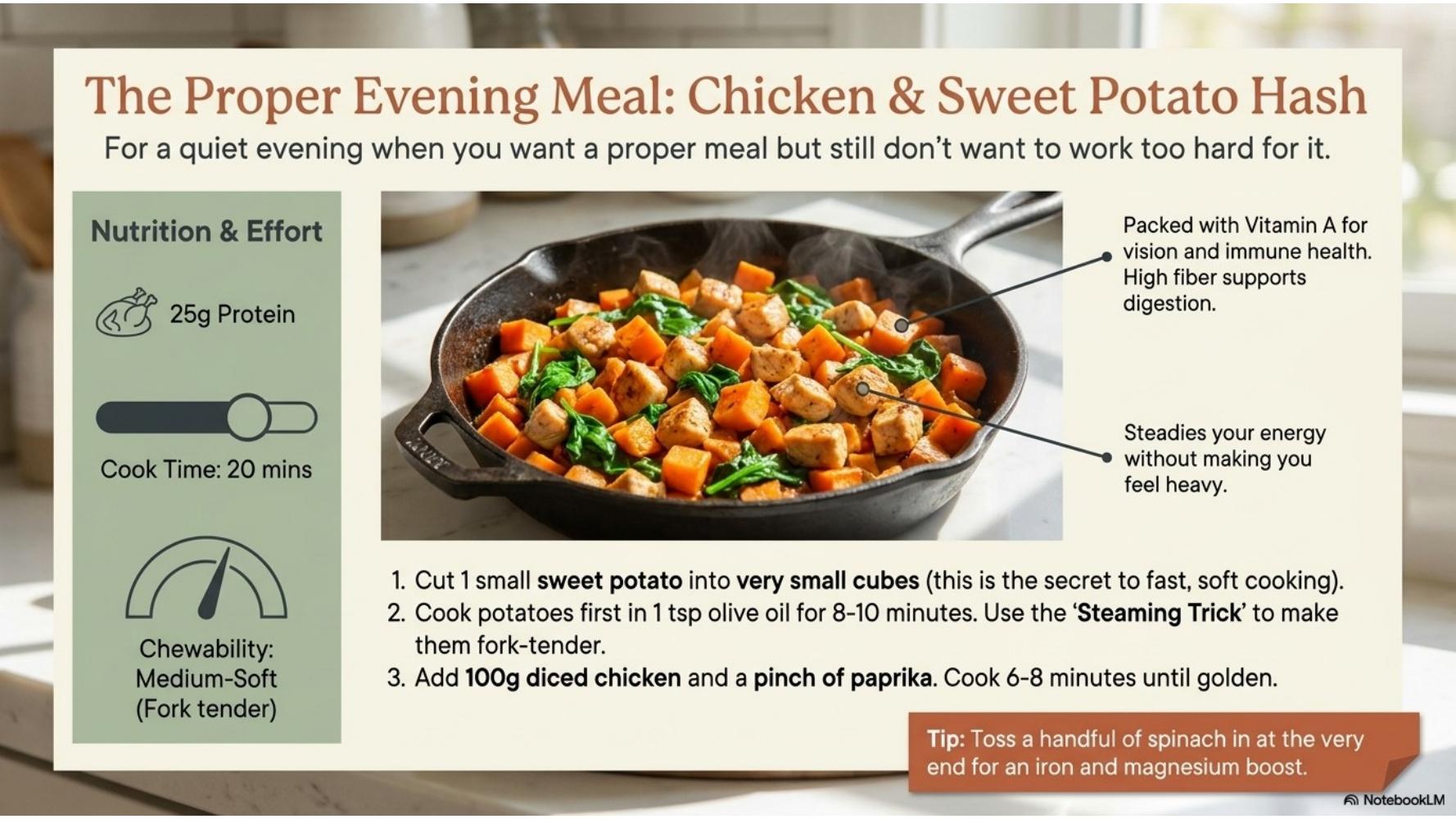
These main meals are quick to prepare, nutritionally balanced, and designed for one person. All use ingredients easy to find at any Australian supermarket.
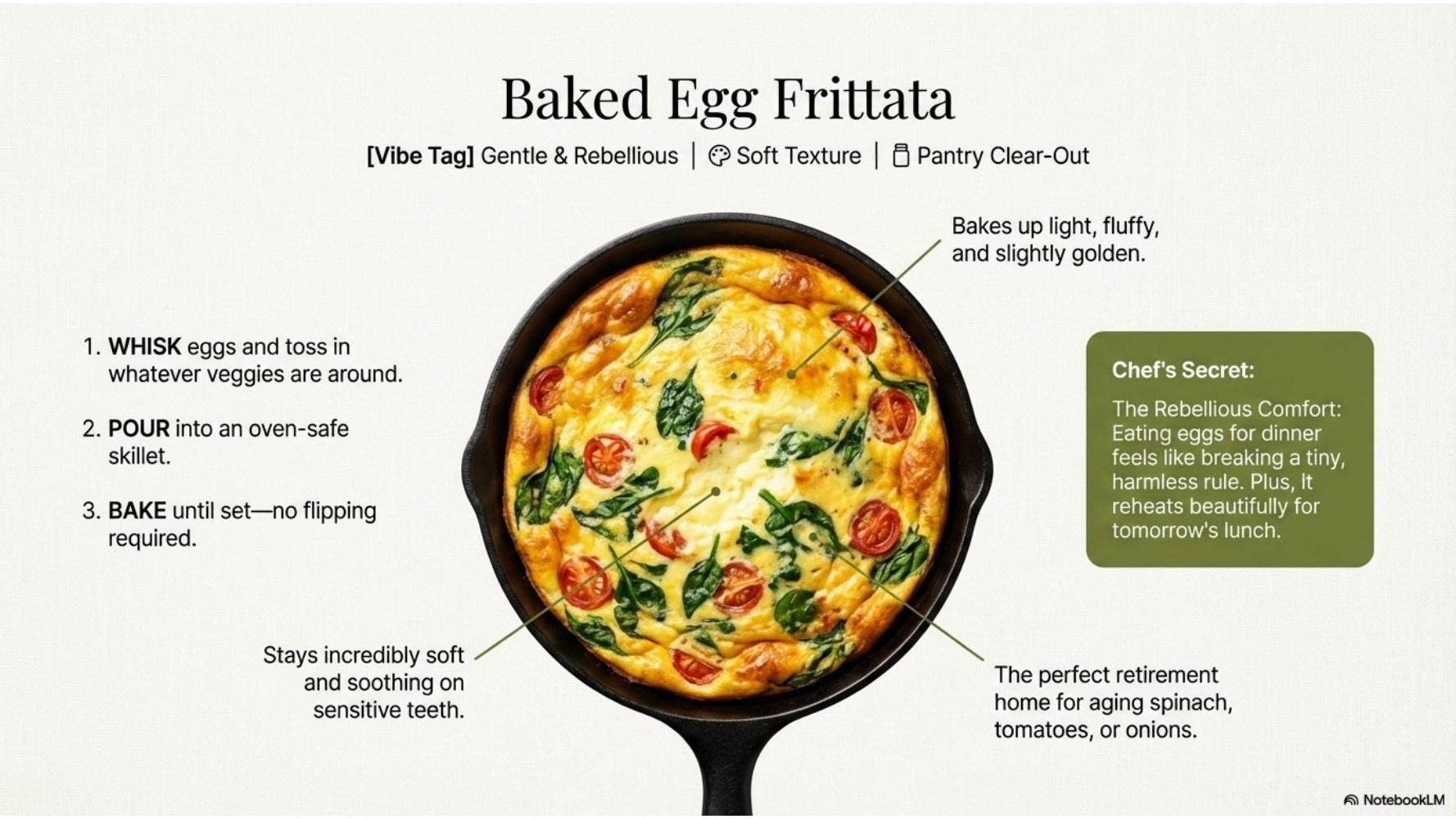
Light Snacks
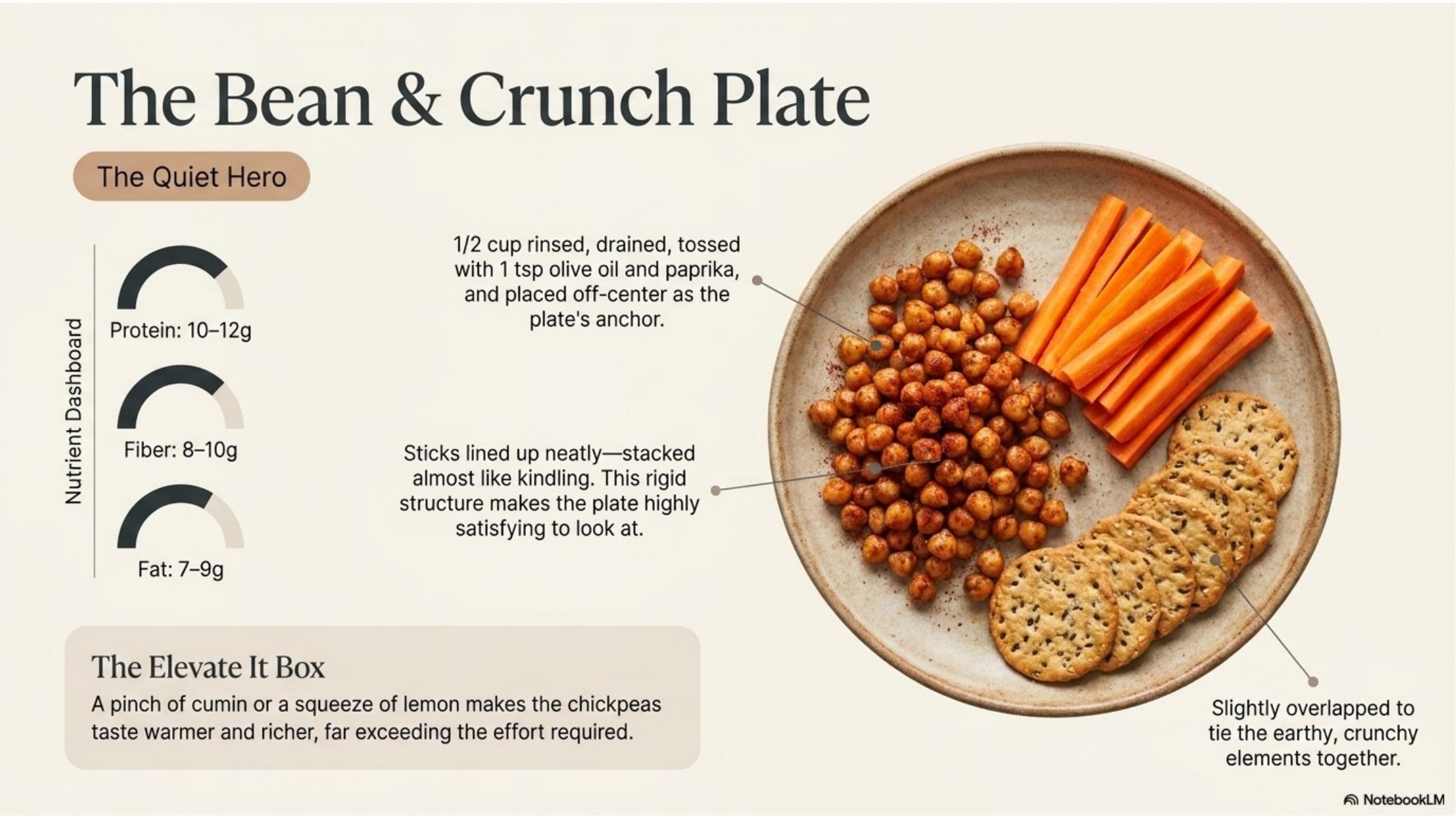
Between-meal snacks help maintain energy and ensure you are getting enough nutrients throughout the day, particularly if your appetite is smaller than it once was.
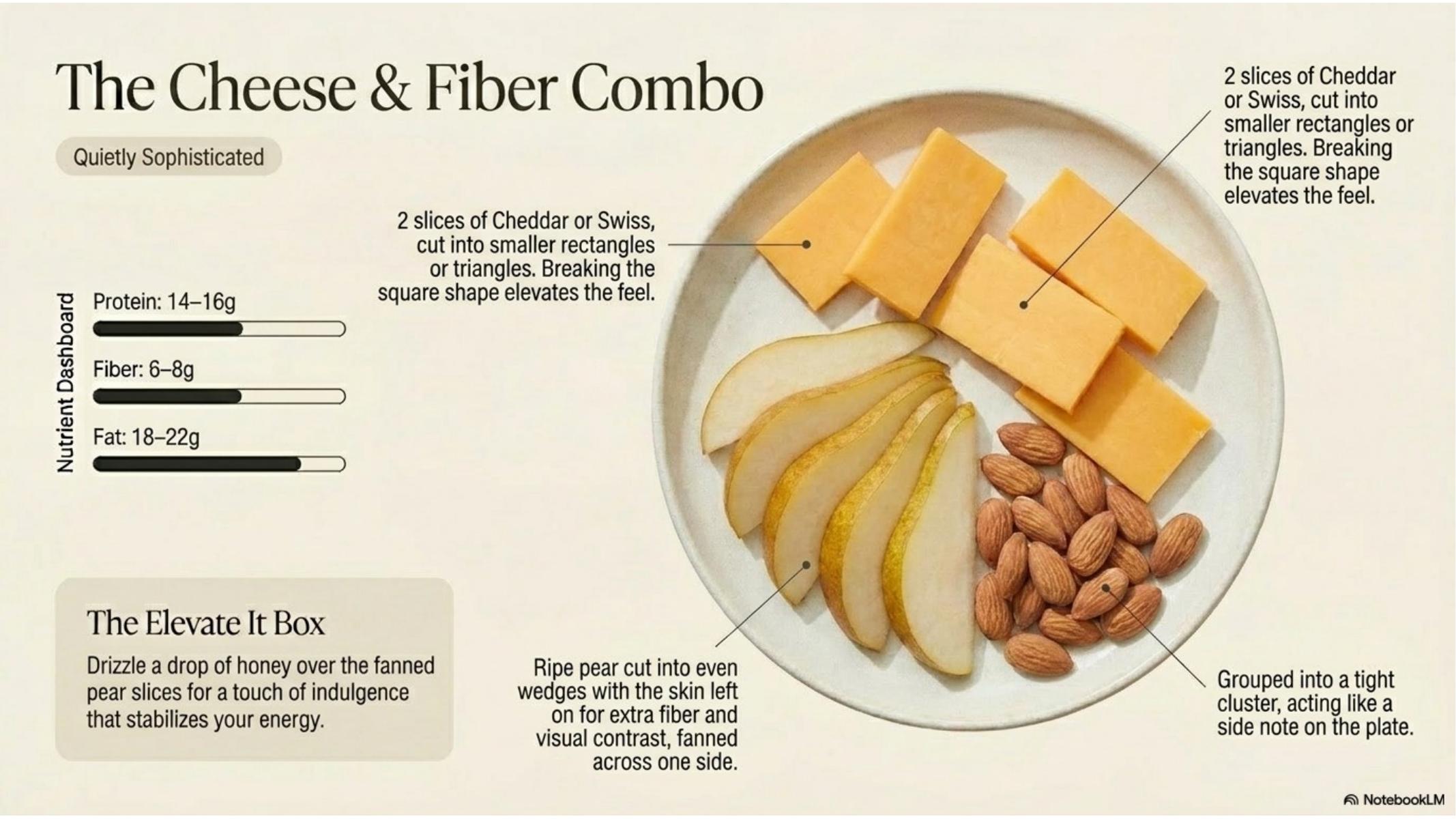
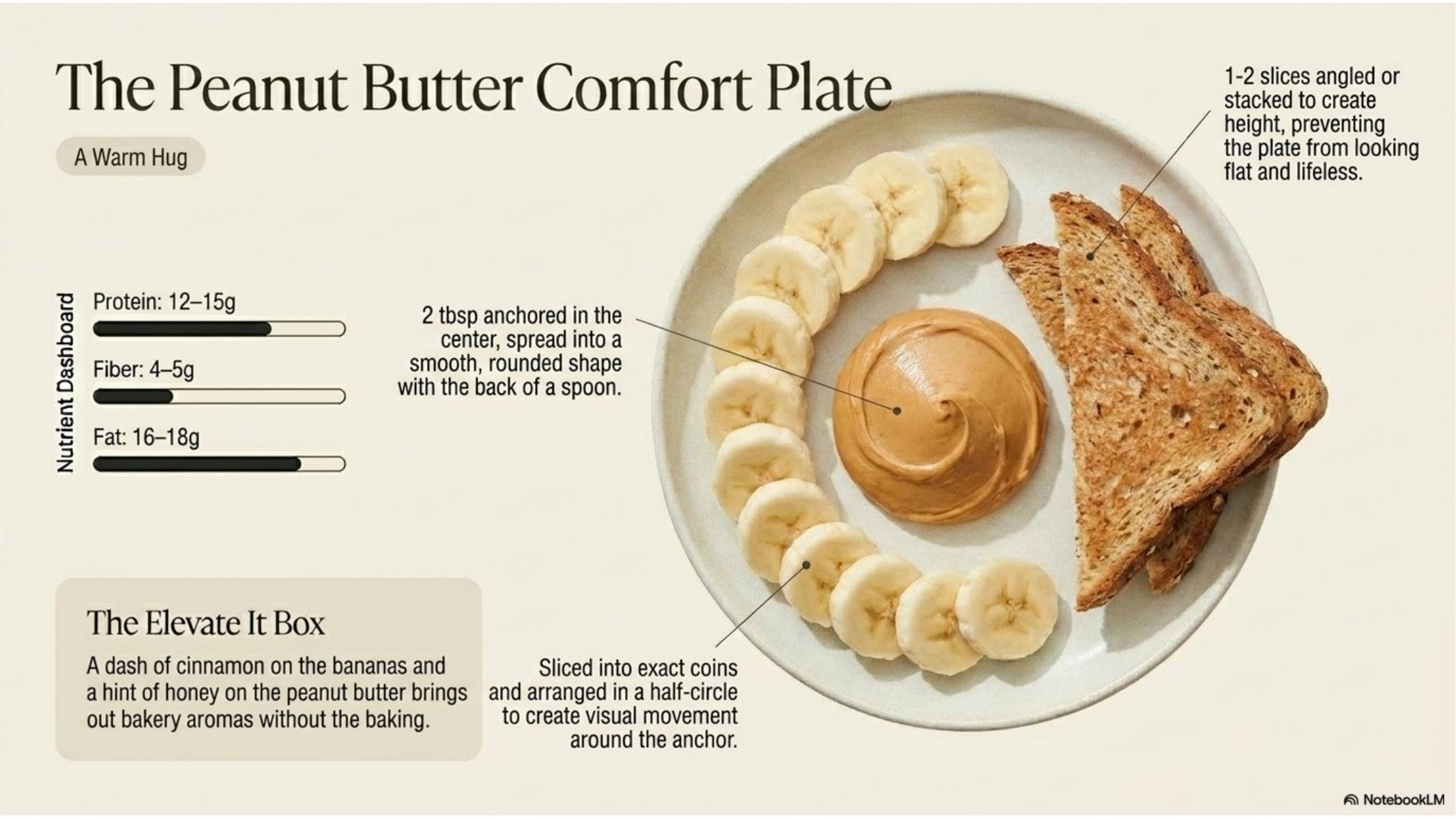
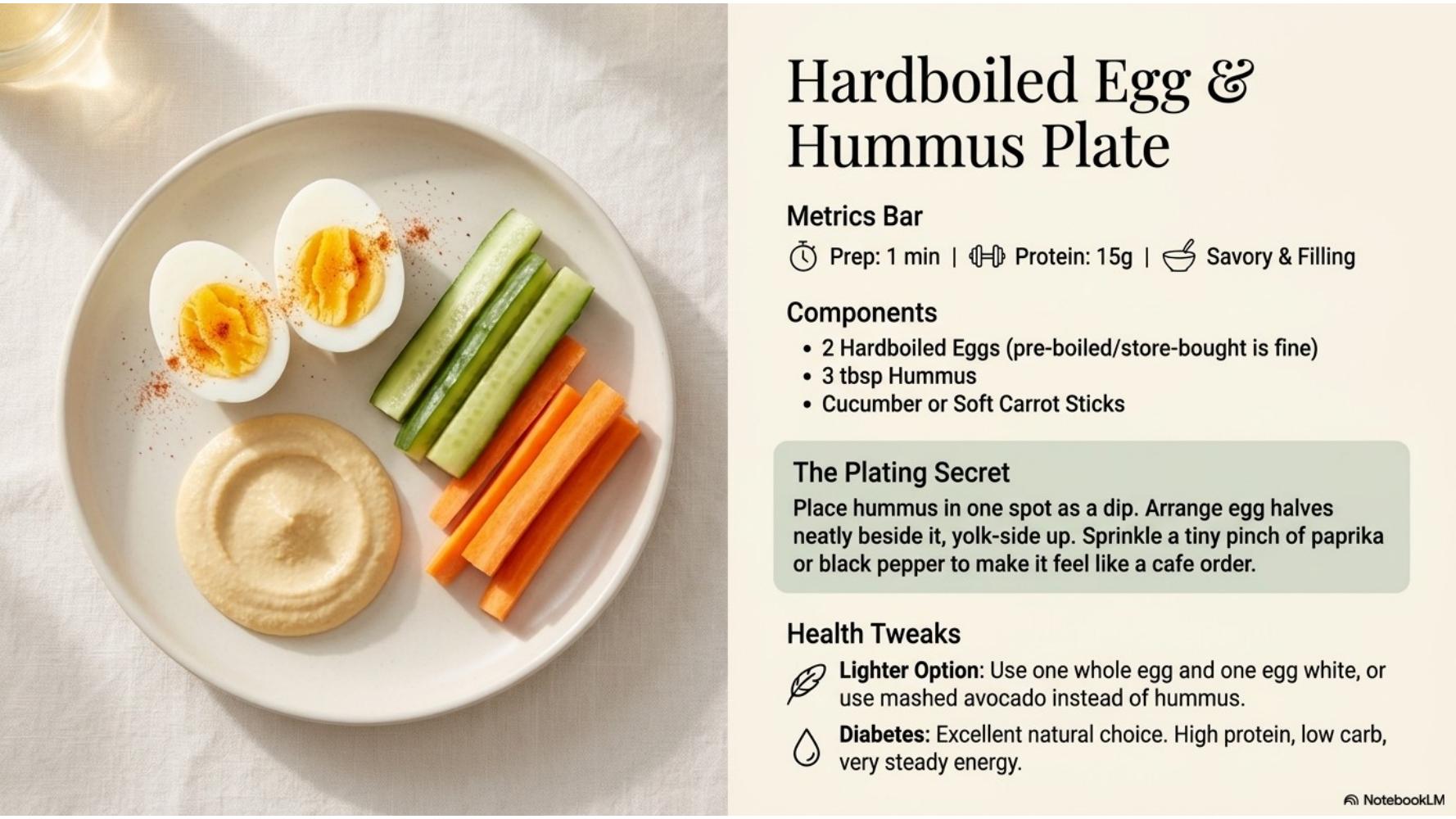
Breakfasts
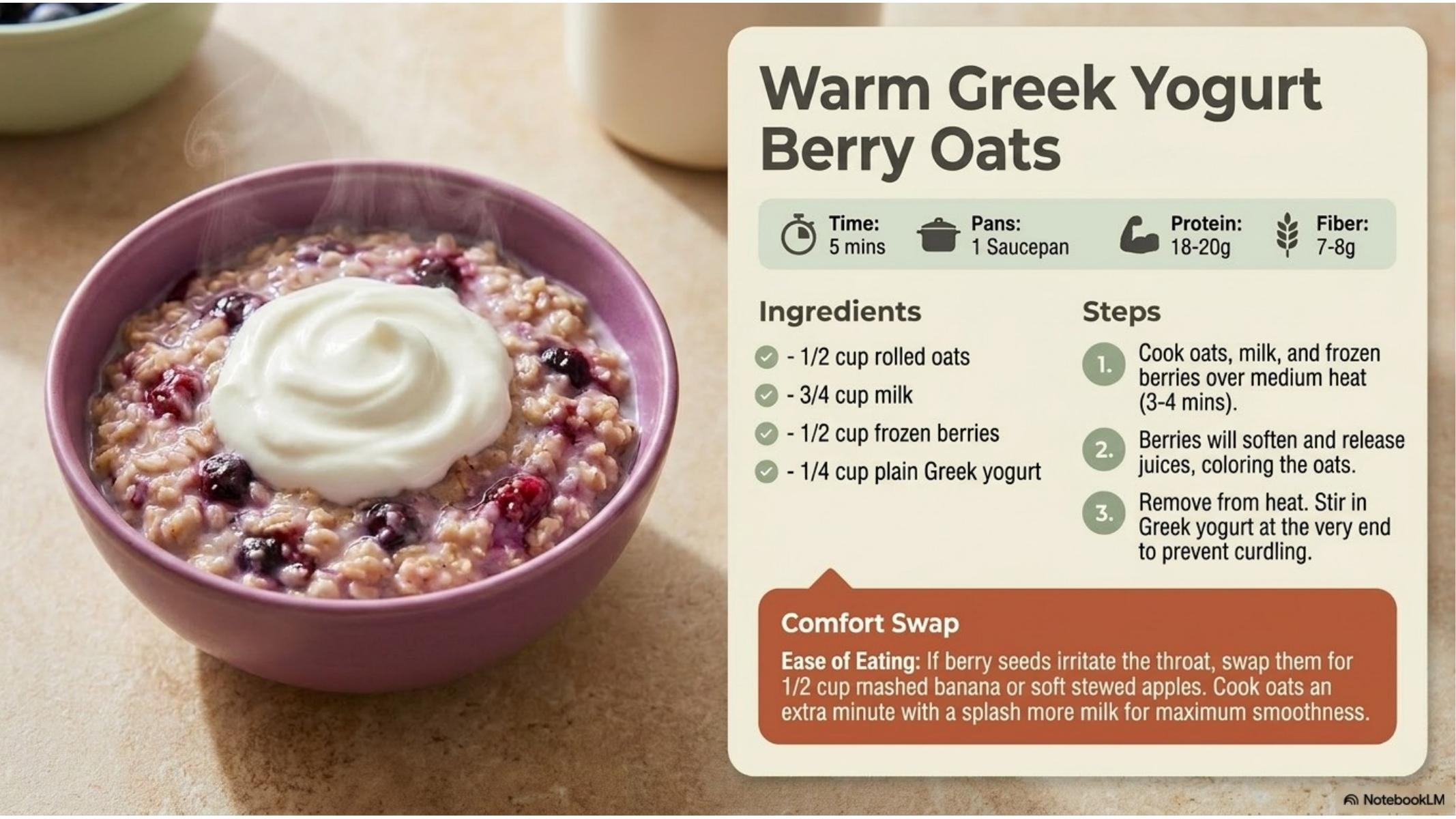
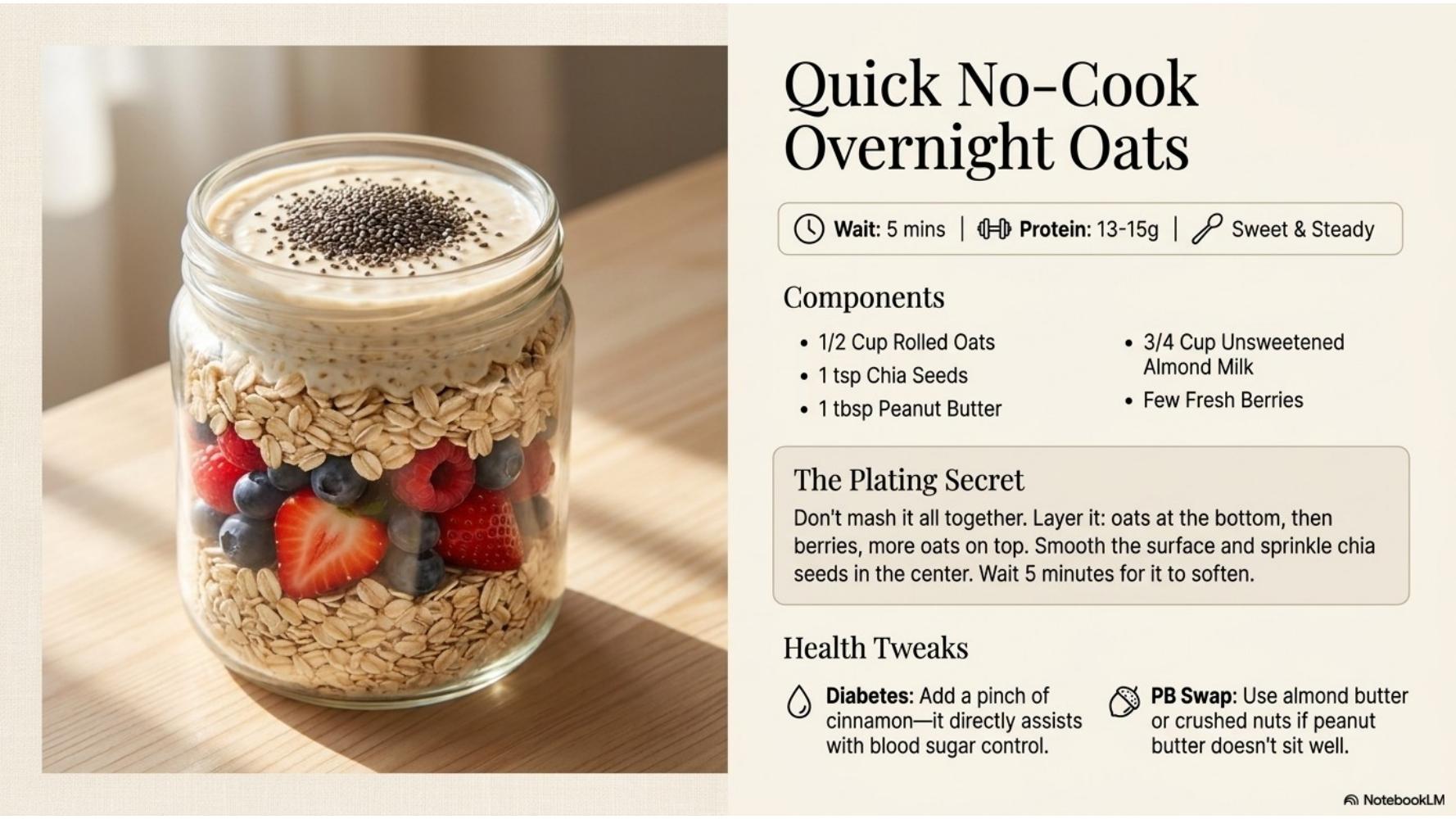
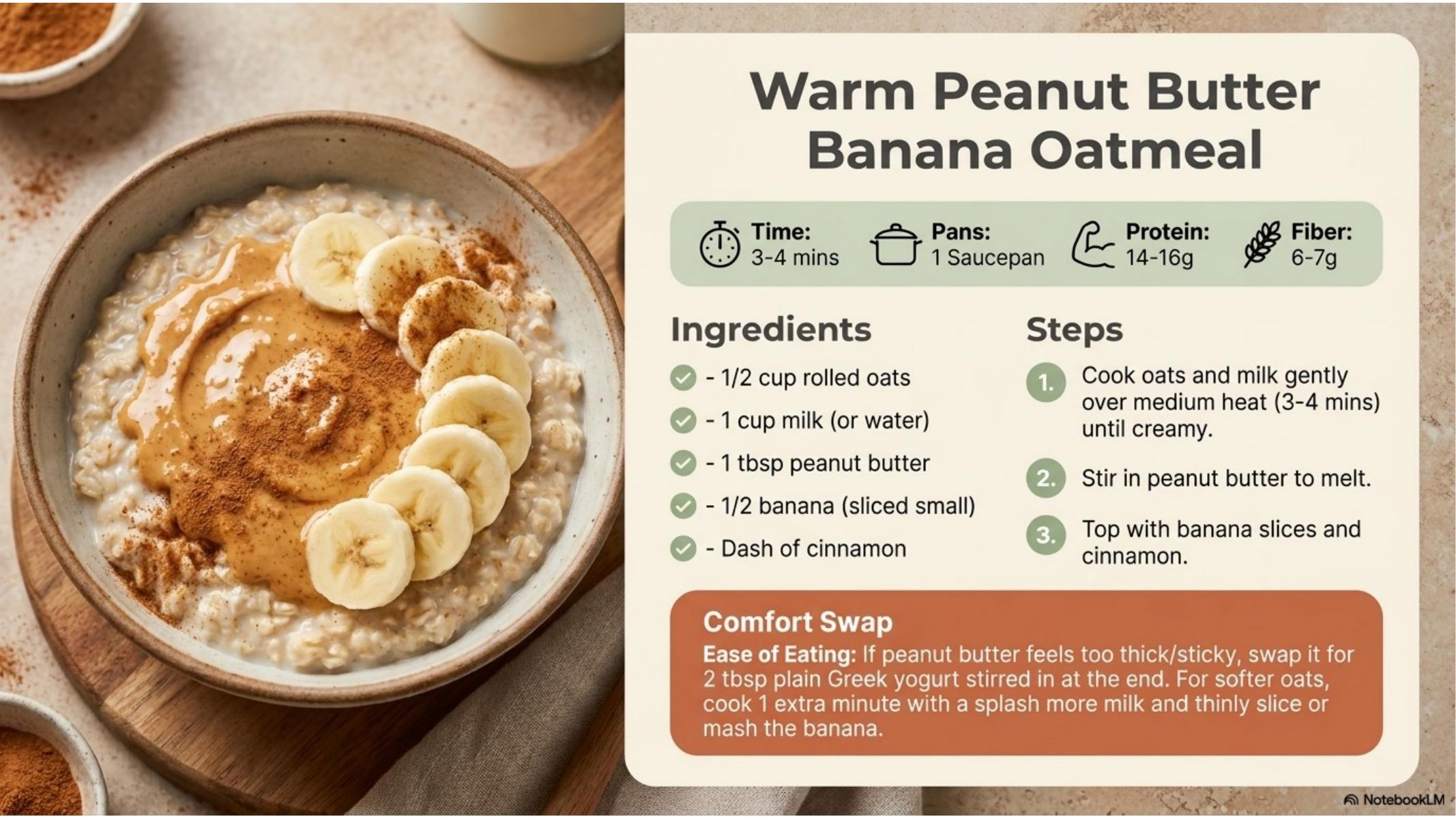
A nourishing breakfast sets the tone for the day. These options are simple to prepare, easy to vary, and provide a good foundation of nutrients to start the morning.